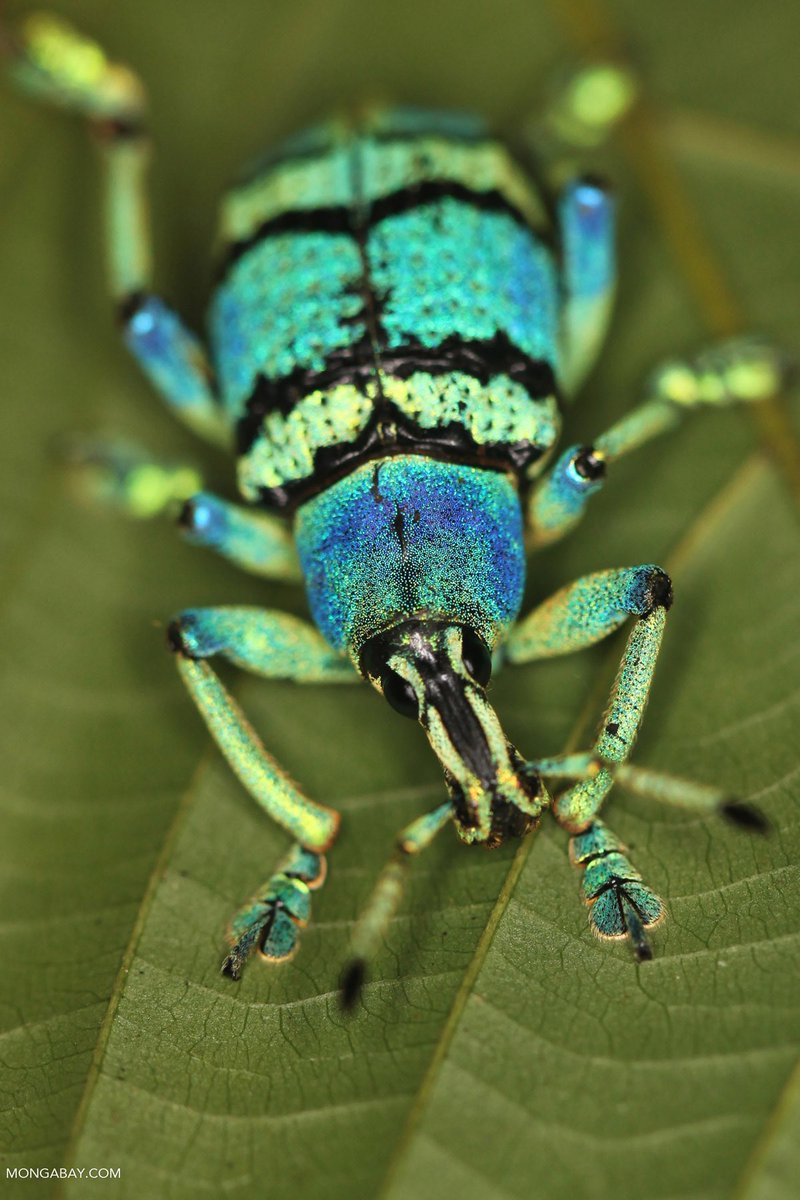
Beetle or Turtle? The Clown Beetle


The spotted clown beetle (Atholus bimaculatus) is a small beetle belonging to the family Histeridae, commonly known as clown beetles. Adults are typically black, shiny, and oval-shaped, with a hard exoskeleton that protects them from predators and harsh environmental conditions. Like other clown beetles, Atholus bimaculatus has shortened wing covers called elytra that leave part of the abdomen exposed. The species is distinguished by its compact body and smooth, polished appearance. Although small, usually measuring only a few millimeters in length, the spotted clown beetle plays an important ecological role as a predator and scavenger in decomposer communities (Lackner, 2010; GBIF, 2025).
The spotted clown beetle is widely distributed throughout many parts of the world, including Europe, Asia, Africa, North America, and South America (GBIF, 2025). It inhabits environments rich in decaying organic matter, where food sources are abundant. Common habitats include animal dung, carrion, compost piles, decaying vegetation, and soil containing decomposing material. These habitats provide shelter and support populations of insects and other small invertebrates that serve as prey for the beetle. Because it is associated with decomposing matter, Atholus bimaculatus contributes to nutrient recycling and decomposition processes within ecosystems (Caterino & Tishechkin, 2015).
The behavior of the spotted clown beetle is well adapted to life in crowded and competitive habitats. Adults are primarily active within dung or decomposing material, where they use their strong legs to burrow and move through tight spaces. When disturbed, clown beetles often retract their legs and antennae into protective grooves along their bodies, making them difficult for predators to grasp. Many members of the Histeridae family, including Atholus bimaculatus, are known for their defensive behavior and ability to withstand physical pressure due to their heavily armored bodies. Their secretive lifestyle means they are rarely observed in the open and spend much of their time hidden within their habitat (Lackner, 2010).
The diet of Atholus bimaculatus consists primarily of other small invertebrates and their eggs or larvae. Rather than feeding directly on dung or carrion, the beetle is considered a predator that hunts organisms inhabiting these resources. Fly eggs and maggots are common prey items, making clown beetles beneficial in controlling populations of insects associated with animal waste and decaying matter. By consuming these organisms, Atholus bimaculatus* helps regulate decomposer communities and maintain ecological balance. Its feeding habits also reduce competition among insects living in nutrient-rich microhabitats (Caterino & Tishechkin, 2015).

Like other beetles, the spotted clown beetle undergoes complete metamorphosis. Its life cycle consists of four stages: egg, larva, pupa, and adult. Females lay eggs in or near suitable habitats such as dung or decomposing organic matter. After hatching, larvae feed on small invertebrates and continue developing through several growth stages. Once fully grown, the larva enters the pupal stage, during which it transforms into an adult beetle. The adult eventually emerges and begins reproducing, continuing the cycle. Complete metamorphosis allows the larval and adult stages to occupy slightly different ecological niches, reducing competition between life stages (Triplehorn & Johnson, 2005).
Several interesting facts make the spotted clown beetle noteworthy. First, it has an exceptionally broad geographic distribution, occurring across multiple continents and a wide range of climates (GBIF, 2025). Second, despite living in habitats often considered unpleasant by humans, it provides valuable ecosystem services by helping control populations of flies and other insects. Third, the hard, glossy exoskeleton characteristic of clown beetles offers significant protection from predators and environmental stress. Finally, members of the Histeridae family are capable of retracting their appendages into grooves on their bodies, a specialized adaptation that increases their defensive capabilities and helps them survive in crowded habitats (Lackner, 2010).
In conclusion, the spotted clown beetle (*Atholus bimaculatus*) is a small but ecologically important species found throughout much of the world. Its association with dung, carrion, and other decomposing materials places it at the center of nutrient recycling and decomposition processes. As a predator of insect eggs and larvae, it contributes to the regulation of decomposer communities and helps maintain ecosystem balance. Its durable body, specialized defensive adaptations, and widespread distribution make it a fascinating example of how even tiny insects can play significant roles in the natural world. Continued study of species such as *A. bimaculatus* helps scientists better understand biodiversity and the complex interactions that support healthy ecosystems.
Bibliography
Caterino, M. S., & Tishechkin, A. K. (2015). Histeridae. In R. A. B. Leschen & R. G. Beutel (Eds.), *Handbook of Zoology: Coleoptera, Beetles*. Berlin, Germany: Walter de Gruyter.
GBIF. (2025). *Atholus bimaculatus* (Linnaeus, 1758). Global Biodiversity Information Facility. Retrieved from https://www.gbif.org/species/1046739
Lackner, T. (2010). Review of the Palaearctic genera of the Saprininae subfamily (Coleoptera: Histeridae). *Acta Entomologica Musei Nationalis Pragae*, 50(Suppl.), 1–254.
Triplehorn, C. A., & Johnson, N. F. (2005). *Borror and DeLong's Introduction to the Study of Insects* (7th ed.). Belmont, CA: Thomson Brooks/Cole.


Comments